
Which Water Source Is Right for You?
When you need a water collection system for your property, you have a choice in front of you as to whether you go for rainwater and bore water.
Choosing between rainwater and bore water depends on your property’s needs, location, and water usage. The following blog post will take a closer look at both to see which is going to offer the best option for your property.
Rainwater
Rainwater is collected through gutters and stored in tanks, offering clean, low-mineral water ideal for household use. If you live in a region that experiences high rainfall, it may well be a good option for your property. However, as it relies on rainfall, there is always going to be an element of doubt about how much you can collect over a given period of time.
Another factor to consider with rainwater tanks is that they tend to take up more space than bore water ones, which may be a problem if you only have a limited amount of room to install one. It also requires adequate storage to ensure that you gather as much as possible when rainfall does occur in your region. In terms of the environmental impact of the rainwater collection, you can essentially just attribute it to the manufacture and transportation of the tanks themselves as the gathering of rainwater is not going to have an overall impact that you have to worry about.
Bore Water
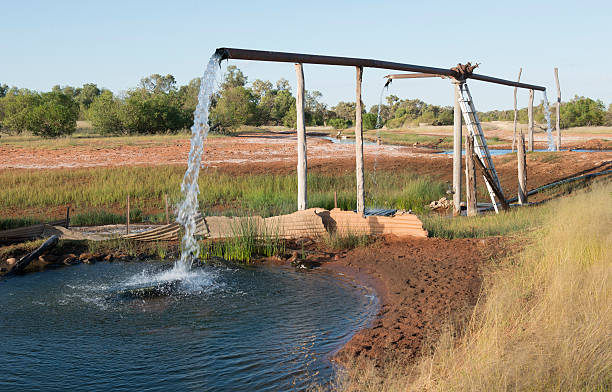
Bore water, accessed through drilling, provides a consistent supply, making it suitable for irrigation and livestock, though it may contain minerals requiring filtration. This is where the experts at Darr Drilling can come in. While initial costs for bore drilling can be higher than the rainwater option, the payoff can be significant. Once all the drilling and pump installation has concluded, there is a close-to-free water source established. Plus, it should require minimal maintenance if it has been well installed in the first place.
Property owners in drier regions are likely to veer towards bore water for the consistency of the supply which cannot be achieved by rainwater collection. In terms of environmental impact, once a tank has been installed, there is some energy used in the pumping of the water, but the carbon footprint is still relatively low.
Ultimately, it all comes down to your needs and what you are looking for from your water collection system. The initial cost of bore water drilling can be high, but it allows for constant water access. While rainwater systems can be cheaper in the short-term, they depend on weather patterns.
Understanding these factors helps property owners select the best option for long-term water security and sustainability. It is worth having all the information in front of you as this is an important decision that can have an impact on how you will be gathering water for many years ahead, which is obviously one of the most important parts of running your household in a sustainable way.
Contact Darr Drilling today!
